Why Do Payment Apps Want Biometric Access?
In today's mobile-first world, payment apps have transformed how we shop, send money, and manage finances. These tools lean heavily on biometric access—like fingerprint authentication and facial recognition—to strike a balance between security and a smooth user experience. But why exactly are biometric systems such a prized feature for payment apps? Let’s dig in.
Phone-First Checkout Expectations: The Need for Speed and Security
Consumers now expect every transaction—from buying coffee to booking flights—to be fast, frictionless, and secure. Smartphones have become the primary device for online and in-person payments. This phone-first mindset drives payment apps to optimize the checkout process with minimal friction.
Here’s the crux: People want their payments fast but they refuse to compromise safety. Traditional passwords and PINs slow down checkout and frustrate users. Enter biometrics, which offer a seamless way to verify identity without typing anything.
What Users Expect at Checkout
- Instant Authentication: As soon as you tap “pay,” your identity is recognized immediately.
- Minimal Steps: Payments shouldn’t require jumping through hoops—like typing passwords or receiving SMS codes.
- Clear Payment Totals: Even with speed, users still want unambiguous info about what they’re paying.
- Confidence in Security: They want assurance their funds and data are safe.
Biometric access addresses all these points by replacing cumbersome passwords with your unique fingerprint or face scan, making payment feel both effortless and reliable.
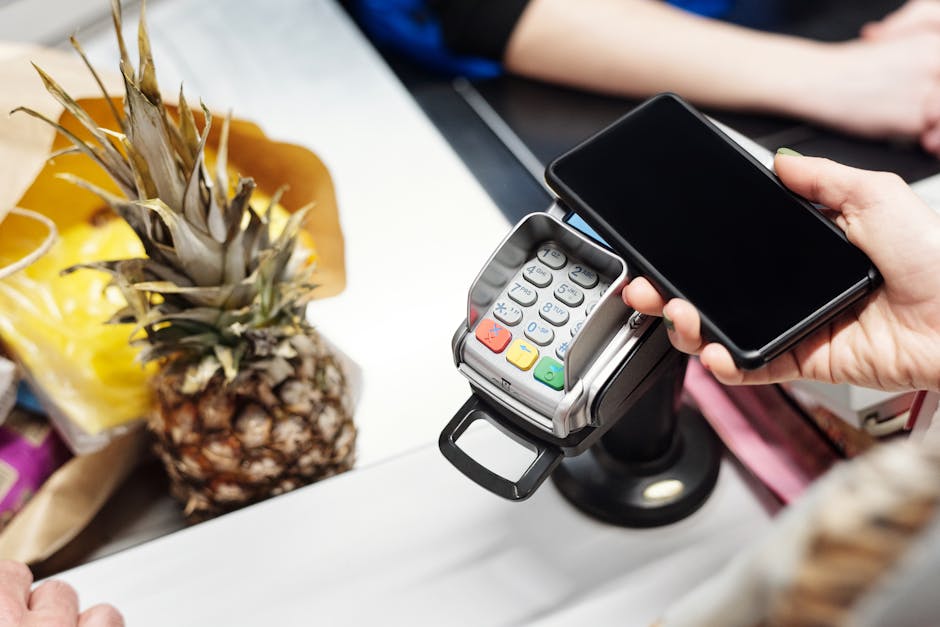
Digital Wallets and Saved Payment Methods: The Backbone of Mobile Payments
Digital wallets (like Apple Pay, Google Wallet, and Samsung Pay) and saved payment methods stored in apps drastically simplify mobile payments. Instead of entering full card details every time, users can tap to pay—quick and secure.
Biometric access perfectly complements digital wallets by unlocking these saved payment methods swiftly while validating the user’s identity. Let’s zoom into how these pieces fit together:
Feature Role in Mobile Payment Biometric Benefit Digital Wallet Stores credit/debit cards and payment credentials securely Uses fingerprint/facial recognition to unlock wallet without PINs Saved Payment Methods Stores card details and billing info to prefill during checkout Ensures only the authorized user accesses these details Checkout Process Facilitates quick tap-to-pay transactions Reduces friction by eliminating manual input and password entryThe end result? You can pay in-store or online with just a glance or a touch, making the process far more convenient without sacrificing safety.
Mobile UX: Fewer Steps But Clear Totals
Good mobile user experience (UX) minimizes the number of steps required to complete a task. For payments, every added step increases chances a user will abandon the transaction. Biometrics cut down steps by replacing manual passwords or PINs with a quick face or fingerprint scan.
screen lockBut mobile UX isn’t only about speed; clarity matters too. Users still need to see precise payment totals, breakdowns, and confirmation before finalizing a purchase. Biometric authentication helps here by allowing users to verify totals on screen confidently while using their phone’s secure hardware to authorize payment instantly.
Balancing Speed and Transparency
- Review Payment Details: Show shipping, taxes, and total amount upfront.
- Authenticate Using Biometrics: Scan fingerprint or face instead of typing a password.
- Confirm Transaction: Provide clear on-screen confirmation of successful payment.
By integrating biometrics into this straightforward flow, payment apps reduce cognitive load, decrease errors, and keep trust high.
Biometrics Reducing Friction: What’s Really Happening Under the Hood?
Friction in payments arises when users face delays, confusing steps, or security processes that feel fingerprint payment cumbersome. Fingerprint authentication and facial recognition technologies reduce this friction in key ways:
- Speed: Scans take just fractions of a second, speeding up identity verification compared to passwords.
- Convenience: No need to memorize or type complex passwords reduces user effort and errors.
- Security: Biometrics leverage device security elements like encrypted storage and trusted execution environments to guard data tightly.
- Continuous Improvement: Modern sensors adapt over time to changes like facial hair or finger cuts, lowering false rejects.
For example, Apple Pay uses the Secure Enclave chip within an iPhone to perform fingerprint authentication locally, so the biometric data never leaves the device, enhancing device security. This makes it very difficult for hackers to intercept credentials during transactions.
Device Security: The Real Backbone of Biometric Payments
Fingerprint and facial recognition aren’t just flashy features—they’re part of a larger ecosystem of device security designed to protect sensitive payment data:
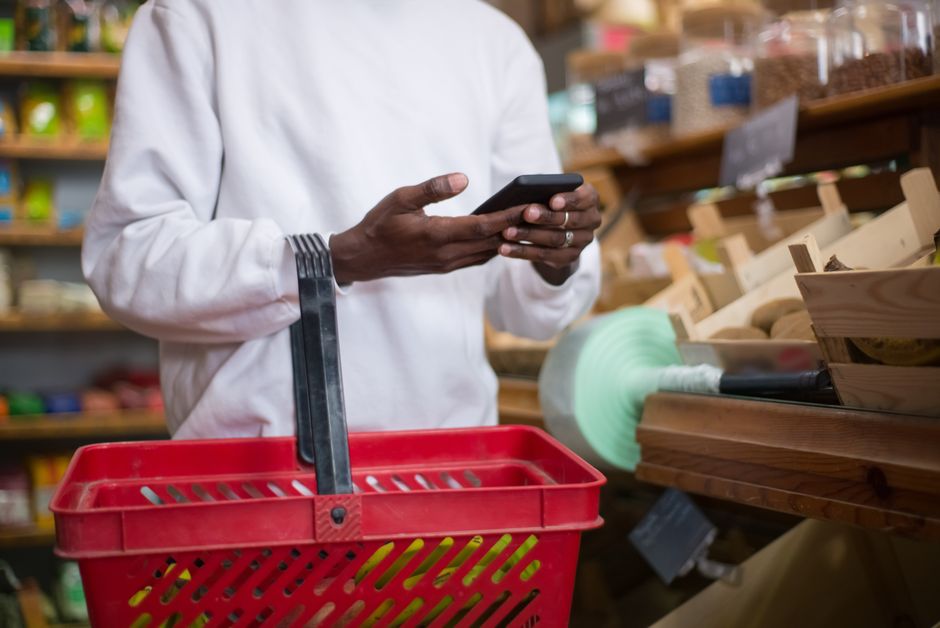
- Local Storage: Biometric templates are stored securely on the device, typically in a secure enclave or trusted platform module (TPM).
- On-Device Validation: Authentication happens locally, minimizing data exposure risks.
- Multi-Factor Authentication: On some devices, biometrics are combined with device PIN or passcode, adding layers against impersonation.
This robust device security infrastructure assures users and payment providers that transactions are both fast and genuinely secure, helping apps comply with regulations like PCI DSS (Payment Card Industry Data Security Standard).
Conclusion: Biometrics Are Essential for Today's Payment Experience
As payment apps strive to meet phone-first checkout expectations, biometrics have moved from optional conveniences to necessities. By providing fingerprint authentication and facial recognition, apps unlock stored payment methods and digital wallets quickly while maintaining device security.
Biometric access creates a seamless payment process with fewer steps, clear payment totals, and less friction—addressing what users want most: speed, simplicity, and security. So the next time you ditch your passwords in favor of a quick face scan or fingerprint press, remember it’s not just about tech gimmicks. It’s about crafting a better, safer way to pay in the palm of your hand.