Do Lenders Use Rolex List Price or Market Price for Loans?
Usually, a lender considering a Rolex as collateral looks beyond its original retail list price. The relevant question is what the specific watch could reasonably sell for in the secondary market—and how quickly the lender could turn it into cash if the borrower does not repay.
That does not mean a lender simply accepts an online asking price or a price chart at face value. The lender may check secondary-market pricing data, identify the watch’s exact reference, and arrange authentication and condition review by a qualified specialist. It then applies its own lending rules, which can produce a loan amount well below the watch’s apparent resale value.
For a small-business owner, a Rolex-backed loan may help cover a short cash-flow gap, such as payroll arriving before a large customer payment. But the speed and convenience can come at a higher cost than a bank loan, and the owner risks losing the watch if the loan goes unpaid. Before signing, ask who is liable, what happens after a missed payment, and whether the agreement includes a personal guarantee.
List price is a starting point, not a loan valuation
Retail list price tells you what a watch costs, or cost, through an authorized retail channel. It does not tell a lender what the watch can be sold for today. A Rolex may be hard to buy at retail, may have traded above list during a period of strong demand, or may now sell below a past asking price. Retail pricing and secondary-market pricing answer different questions.
For collateral, lenders generally care about the watch’s realizable value: the amount they believe they could recover through a sale, after considering market conditions, selling time, and transaction costs. A watch advertised online for a certain amount has not necessarily sold for that amount. Asking prices can stay high even when actual transactions occur at lower prices.
What it means for payroll: A high original retail price does not guarantee you can borrow enough to cover the payroll gap you have today.
Why exact reference pricing matters
“Rolex Submariner” or “Rolex Daytona” is not enough detail to value a watch reliably. Different references, production periods, metals, dial configurations, bracelets, and conditions can have meaningfully different resale demand. Even watches that look similar may have different reference numbers or market histories.
A lender or appraiser may examine the reference number, serial information, case and bracelet, dial and bezel, movement, and any included box, papers, or service records. Those details help establish whether the watch is the configuration the borrower says it is and provide a basis for exact reference pricing.
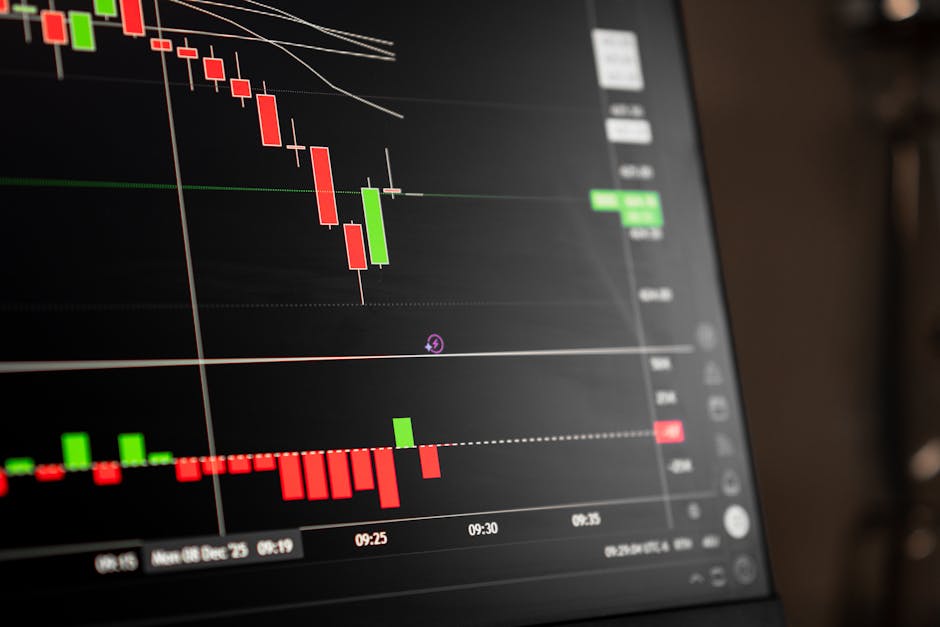
Publicly tracked secondary-market pricing data can help show how a specific reference has been priced over time. A lender might compare multiple sources, review recent activity, or consult a specialist who follows watch transactions. The data is useful context, not a promise that the lender can sell the watch at the displayed figure. Coverage, update frequency, and the type of price shown differ across platforms.
Online listings and price trackers also have limits. Some show asking prices rather than verified completed sales. Some may combine different conditions or configurations. A chart may lag a change in demand. The lender still needs to decide which observations are relevant to the actual watch being offered.
Authentication and condition can change the calculation
Before lending against a Rolex, a lender may require a qualified specialist to authenticate it and assess its condition. That review can help identify counterfeit components, replaced parts, undocumented modifications, damage, or signs of heavy polishing. A watch can be genuine overall but still contain a non-original component that affects what buyers will pay.
Ask who performs the inspection and what the review covers. The lender may require the watch to be physically inspected, and loan-to-value ratio it may retain the watch while the loan remains outstanding. The lender’s valuation may differ from a retail dealer’s appraisal or an insurance replacement estimate because each serves a different purpose.
Documentation can help, but it does not remove the need for inspection. Bring available purchase records, service history, box, warranty card, and other papers. Ask whether missing materials affect the offer, whether the lender will provide a written valuation, and whether you can decline the loan after the inspection.
How a collateral-based watch loan works
In a collateral-based loan, the borrower pledges an asset—in this case, a watch—to secure repayment. The lender evaluates the collateral, sets terms, and advances an amount based on its own risk limits. The amount may be only a portion of the lender’s estimated resale value, sometimes described as a loan-to-value ratio.
What it means for payroll: Loan-to-value tells you how much of the watch’s accepted value the lender is willing to advance; it does not tell you whether the payment schedule fits your payroll calendar.
The lender may take custody of the watch and store it while the loan is active. If the borrower repays under the contract, the lender returns it. If the borrower defaults, the contract and applicable law determine what the lender can do, including whether and how it may sell the collateral and how it handles any remaining balance. Read those terms rather than assuming that handing over the watch automatically settles every obligation.
Ask these questions before pledging the watch:
- What value did the lender assign, and what specific reference and condition did it use?
- How much will I receive after fees or other deductions?
- What interest rate, fees, payment dates, and maturity date apply?
- Where will the lender store the watch, and what insurance covers it?
- What happens if I pay late or cannot repay by the maturity date?
- Can the lender sell the watch, and could I owe money after a sale?
- Does this agreement include a personal guarantee, or does it limit recourse to the pledged watch?
Speed versus cost for a small business
Business owners often need capital because cash comes in later than bills go out. A customer may pay on net-30 or net-60 terms while payroll, rent, inventory, or a supplier invoice falls due sooner. A short-term loan secured by a watch may be one option, but it is not automatically the best or cheapest one.
Bank or SBA financing may offer a lower cost in some cases, but the application can involve more documentation, underwriting, and time. A collateral lender may be able to make a decision after inspection and documentation, but timing varies by lender, watch, and transaction. Do not rely on “fast approval” language. Ask for a specific estimate: how long inspection takes, when the lender expects to issue terms, and when funds could reach your account.
What it means for payroll: A loan that arrives after payroll is due does not solve the timing gap, while a loan that arrives on time but costs too much can create a new cash crunch next month.
Compare the total dollar cost, not just the stated interest rate. Include origination or evaluation fees, storage or insurance charges, late fees, and any cost to extend or renew the loan. Check whether the rate is annualized or applies to a shorter term, and confirm the exact amount you must pay to retrieve the watch.
Financing option Potential advantage What to verify Bank or SBA business financing May offer a lower borrowing cost or longer repayment period Application requirements, funding timeline, collateral, and any personal guarantee Rolex-backed collateral loan May rely on the watch’s value rather than only business cash flow Inspection timeline, net proceeds, total charges, custody, and default terms Customer deposit or payment plan May reduce the need to borrow if a customer can pay sooner Whether the arrangement fits the contract and customer relationship Supplier terms or invoice financing May address a specific timing mismatch Fees, eligibility, recourse, and the effect on future cash flowRolex liquidity is useful, but not guaranteed
Rolex watches have an active secondary market, which can make some models easier to price and sell than less-recognized luxury goods. That liquidity can help a lender assess collateral. But “liquid” does not mean every reference sells immediately, at a predictable price, or without a discount.
Demand can vary by model and configuration. Prices can move as buyer preferences, supply, economic conditions, and broader watch-market trends change. A lender also has to consider how it would sell the watch—not just what a private buyer might pay in an ideal transaction. A sale through a dealer or auction may involve fees, time, and uncertainty.
That is why a lender may use a conservative value rather than the highest public listing or recent headline sale. It needs room for a market decline, a slower sale, or a difference between the inspected watch and the examples used for comparison.
How to compare an offer with the market
Before you accept an offer, check the lender’s valuation against publicly available secondary-market pricing data for the exact reference. Use more than one source when possible, and distinguish completed transactions from active listings. Compare like with like: condition, configuration, included paperwork, and whether the data reflects a dealer asking price or a reported sale.

Then ask the lender to explain the gap between its value and the public figures. The difference may reflect a conservative resale estimate, expected selling costs, the condition assessment, or the lender’s own risk policy. You do not have to agree with the figure, but you should understand what drives it.
Get the important points in writing: the accepted value, loan amount, fees, repayment dates, default process, and whether the lender requires a personal guarantee. A personal guarantee can make the borrower personally responsible beyond the pledged asset, depending on the contract. Do not assume that a watch-backed loan has no personal liability; verify the language with the lender and, for a significant commitment, a qualified legal or financial adviser.
The bottom line
For a Rolex-backed loan, lenders generally focus on secondary-market pricing—not the original list price. They may use public pricing data as a reference, but they also consider exact reference pricing, authentication by a qualified specialist, condition, resale costs, and their own risk limits. The resulting offer can be lower than a public asking price or a seller’s estimate.
For a business owner managing a cash-flow timing gap, the right question is not only “How much is my watch worth?” It is “How much cash will I receive, when will I receive it, what will the loan cost in total, and what happens if I cannot repay?” Compare that answer with other financing options, and check for a personal guarantee before you sign.