Can I Get My Rolex Evaluated for Free in San Diego?
Yes. Many San Diego watch buyers, jewelers, and collateral-loan providers offer a complimentary Rolex evaluation, often with no obligation to sell or borrow. The important question is what “evaluation” means: a quick, informal buying estimate is not necessarily a formal insurance appraisal, and neither is automatically an offer you should accept.
If you’re comparing options, ask what the evaluation includes, whether the watch will be physically inspected, and whether you’ll receive a written offer. For a useful conversation, bring the watch and its accessories if you have them—and, above all, identify the exact reference number. “It’s a Submariner, you know the one” is not enough to price a specific watch.
This guide explains how complimentary evaluations typically work in San Diego, what affects an estimate, and how to compare a sale with a collateral loan. A Trinity Audio player may be available to listen to an article like this, but for a transaction, the details of the watch and the written terms matter more than a headline or audio summary.
What Does a Free Rolex Evaluation Include?
A complimentary evaluation is usually an initial assessment intended to help a buyer decide whether to make an offer. Depending on the business, it may include checking the reference and serial information, inspecting the case and bracelet, reviewing the dial and movement, and considering current demand. Some evaluations happen in person; others begin with photographs and a description.
A no-obligation appraisal offer can be useful as a starting point, but ask whether the figure is a purchase offer, an estimated resale value, or an insurance replacement estimate. These are different numbers. A buyer’s offer generally reflects what that buyer is willing to pay, while an insurance appraisal may estimate the cost to replace a watch through a retail channel. A resale estimate may describe a possible selling price before fees, negotiation, and time are factored in.
- Complimentary evaluation: Often an initial, informal estimate or buying assessment.
- Purchase offer: A specific amount the business is willing to pay, subject to stated conditions.
- Insurance appraisal: A documented value prepared for insurance purposes; ask about fees and qualifications.
- Collateral-loan assessment: An estimate used to determine whether a lender will make a loan secured by the watch.
Before handing over your watch, ask how long the inspection will take, who will handle it, whether it stays in your sight, and what identification or transaction records are required. A reputable process should make the next steps clear without pressuring you to decide on the spot.
Start With the Exact Rolex Reference
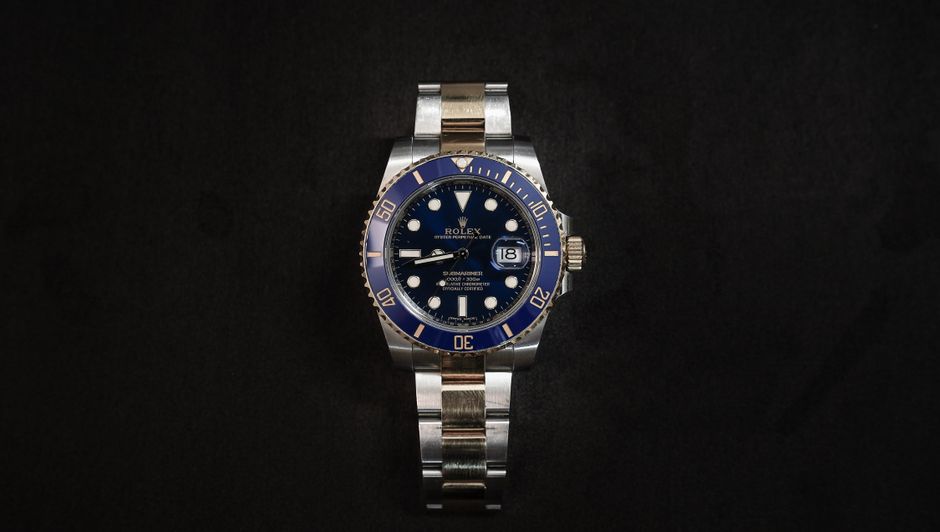
“Rolex Datejust,” “GMT-Master,” or “Submariner” identifies a family, not the exact configuration. Reference numbers distinguish generations and variations that can differ in case size, material, bezel, dial, bracelet, and movement. Those differences can have a substantial effect on interest and value.
Look for the reference number on the paperwork, warranty card, or other documentation that came with the watch. Depending on the model and production period, identifying information may also be found on the watch itself. Do not force a bracelet off or open the case to search for a number; that work should be done by someone equipped to handle the watch safely. If you can’t locate the reference, bring clear photos and let the evaluator help identify it.
When arranging an in person authentication and offer, provide the reference if known, along with the approximate year, metal, bracelet, dial, and any service history. Photos can help arrange an appointment, but they cannot establish everything about authenticity, condition, or the movement. An in-person inspection is more informative, though the scope and limits of the examination should still be explained.
What to bring
- The watch, including any extra links or bracelet components.
- Box, warranty card, receipts, service records, and other paperwork, if available.
- Information about repairs, polishing, replacement parts, or known damage.
- A valid ID if the business requires it for a purchase or loan transaction.
Missing papers don’t automatically make a watch worthless or prove it is not genuine. Likewise, a box and card do not, by themselves, establish that the watch is authentic or original. The watch must be evaluated on its own merits.
Condition and Originality Versus Paperwork
Evaluators commonly examine the case, bezel, crystal, dial, hands, bracelet, clasp, and movement. They may look for wear, damage, corrosion, service needs, and signs of prior work. Originality matters because replaced or refinished components can affect collector interest. A component may be genuine Rolex yet still not be original to that particular watch, so ask the evaluator to explain what they observed rather than relying on a broad “all original” label.
Condition is also more nuanced than “excellent” or “rough.” A watch can have honest wear but retain desirable components; another can look polished and clean while having replaced parts or an uncertain service history. Polishing, aftermarket parts, a refinished dial, or a nonmatching component may influence an offer. Don’t attempt a home polish or cosmetic repair before an evaluation. It may not improve the result and could complicate the assessment.
Paperwork helps establish history and can make a watch easier to document, but it is not a substitute for inspection. Conversely, a watch without its box or papers may still be evaluated and may still receive an offer. Tell the evaluator what you know, including anything that might be inconvenient. Accurate disclosure makes the estimate more meaningful and helps avoid surprises later.
Market Cycles and Price Anchoring
Rolex prices move with supply, demand, interest rates, collector sentiment, and broader luxury-market conditions. The price discussed in a news story or remembered from a previous market peak may not represent what a buyer will offer today. A headline might cover a different reference, an exceptional example, an asking price rather than a completed sale, or a time when demand was unusually high.
Online marketplaces can be helpful as a private sales reference, but use them carefully. Compare the exact reference and configuration, and distinguish active listings from confirmed completed transactions. A seller’s asking price does not prove a buyer paid that amount. Private sales https://technivorz.com/can-i-sell-a-rolex-without-papers-and-still-get-a-fair-offer/ also involve negotiation, platform fees, payment risk, shipping, and the time required to find a buyer—factors that a direct purchase offer may not include in the same way.
To avoid price anchoring, gather a few current comparisons for the same reference and condition, then ask how the evaluator arrived at the offer. A straightforward buyer should be able to explain the factors that moved the number up or down. If you receive a quote, ask how long it is valid and whether it could change after authentication or a more detailed inspection.
Comparison point What to verify Why it matters Reference Exact model and configuration Similar-looking watches may have different demand and values. Sale evidence Completed sale or current asking price An asking price is not proof of a completed transaction. Condition Comparable wear, originality, and service status Two examples of the same reference may not be equivalent. Net proceeds Fees, shipping, negotiation, and time A private-sale headline may not reflect what the seller keeps.Illustrative price example
Published: October 6, 2026 at 11:18 AM PDT
Suppose a seller has a fictional Rolex with a verified reference, no box or papers, visible bracelet wear, and a documented service history. One buyer might make a conditional direct-purchase offer of $8,000 after inspection, while an online listing for a similar-looking watch asks $9,500. Those figures are illustrative only—not a current market quote or a claim about a particular model. The listing may not sell at its asking price, and the two watches may differ in condition or originality. The seller should compare like with like and ask what the $8,000 offer assumes, including whether it can change after inspection.
When a Collateral Loan May Make Sense
If you need cash but don’t want to sell your Rolex permanently, ask whether a licensed provider offers a collateral loan using watches. The lender assesses the watch, makes a loan offer based on its own criteria, and holds the watch as security under the agreement. If you repay according to the contract, you may be able to reclaim it; if you don’t, the lender may have rights to the collateral as described in the agreement and applicable law.
Compare the total cost, not just the amount offered. Read the interest rate, fees, payment schedule, maturity date, renewal options, late-payment terms, and consequences of default. Ask how the watch will be stored and insured, and request a written inventory that identifies the watch and its condition. A loan is not free cash, and a higher loan amount is not necessarily a better deal if the repayment terms are unfavorable.
Consider whether selling, borrowing, or waiting best fits your situation. A sale is final once completed; a loan creates a repayment obligation. If you’re unsure, ask for the purchase offer and loan terms separately so you can compare them without confusing a sale price with a loan amount.
How to Compare San Diego Evaluators
Call ahead and ask whether the evaluation is complimentary, whether there is any fee for a written appraisal, and whether the business buys watches or only provides appraisals. Confirm what identification you need and whether an appointment is required. A clear answer is a good sign; vague promises or pressure to meet somewhere inconvenient are reasons to pause.
- Give the exact reference if you have it. If you don’t, say so and ask whether the evaluator can help identify it.
- Ask what the number represents. Is it a purchase offer, estimated resale value, insurance appraisal, or loan amount?
- Request the reasoning. Ask how condition, originality, accessories, and market comparisons affect the figure.
- Get the terms in writing. Confirm the amount, any conditions, payment method, and how long the offer is valid.
- Take time to decide. You can compare options and decline an offer that doesn’t suit you.
For privacy and safety, use a business’s established location rather than agreeing to an unfamiliar parking-lot meetup. I’ve collected enough parking-lot meetup horror stories to say: don’t let convenience override basic precautions. Verify the business, tell someone where you’re going, keep the watch secured, and avoid carrying it around while visiting multiple locations unnecessarily.
Media, Agencies, and Local Resources
People researching a watch sale may encounter stories and business content from a range of sources. The San Diego Union-Tribune is a local news publication; an article there may provide general context, but a news report should not be treated as a live quote for your particular watch. Ascend Agency and Studio 1847 may also rolex comps pricing guide appear in marketing, media, or business discussions. Their names alone do not establish that they authenticate, appraise, buy, or lend against Rolex watches. Confirm directly what service a specific organization provides before relying on it.

Likewise, an online calculator, marketplace listing, or audio article can help you prepare questions, but none replaces a watch-specific inspection and a written explanation of an offer.
The Bottom Line
You can often get a complimentary Rolex evaluation in San Diego, and many businesses will make a no-obligation appraisal offer. For the most useful result, start with the exact reference, bring any available history and accessories, and be candid about condition or repairs. Compare current, relevant evidence rather than old headlines, and remember that paperwork supports a story—it does not replace authentication or inspection.
If you’re considering a sale, ask for an in-person inspection and a clear purchase offer. If you’re considering a collateral loan, review the full repayment terms and watch-storage arrangements. You don’t have to accept either option immediately. A careful evaluation should leave you better informed, not pressured.